- Home
- Infantile Scoliosis Outreach Program
Infantile Scoliosis Outreach Program

FOR FAMILIES

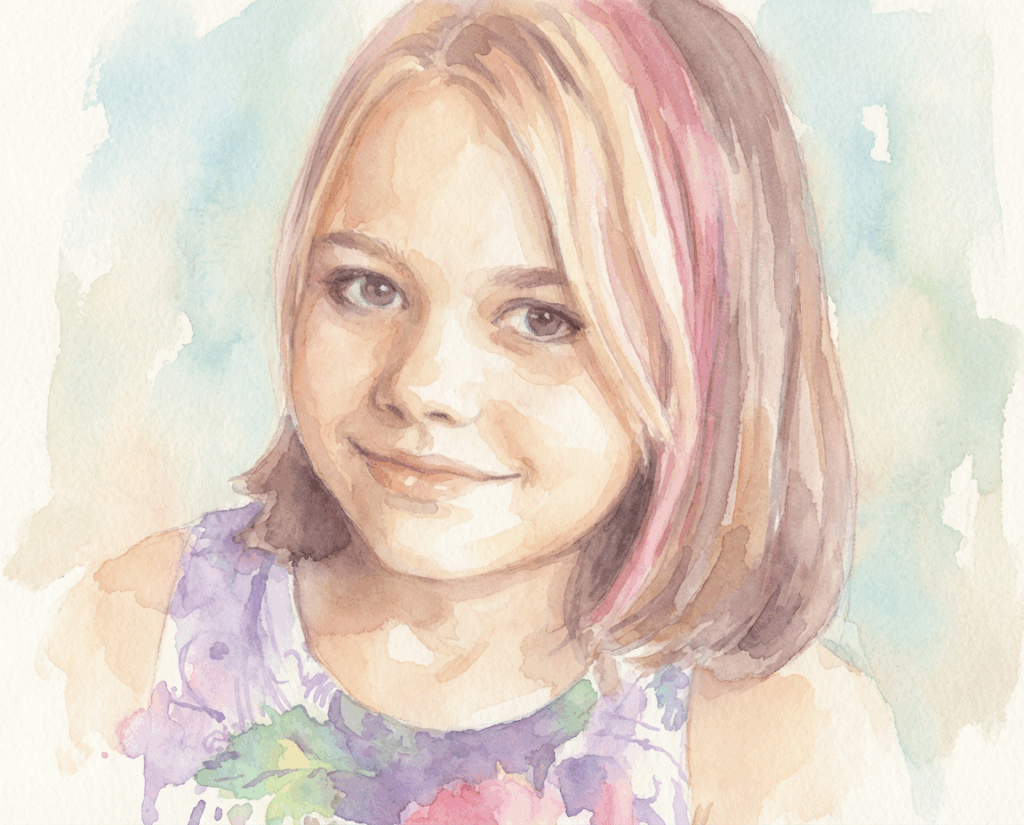
OLIVIA’S STORY
This is the story of Olivia Noel—a child whose life revealed both the devastating consequences of delayed and inadequate treatment for infantile scoliosis and the extraordinary impact of determined advocacy, international collaboration, and early intervention. From infancy, Olivia’s rapidly progressing scoliosis challenged conventional medical thinking, forcing her family to search beyond borders for answers. Her journey—marked by innovation, resilience, heartbreak, and courage—became a catalyst for global change in how early-onset scoliosis is understood and treated. Though Olivia’s life was far too short, her legacy continues to shape care, research, and hope for children worldwide. Read the full story HERE
ISOP’S LATEST RESOURCES
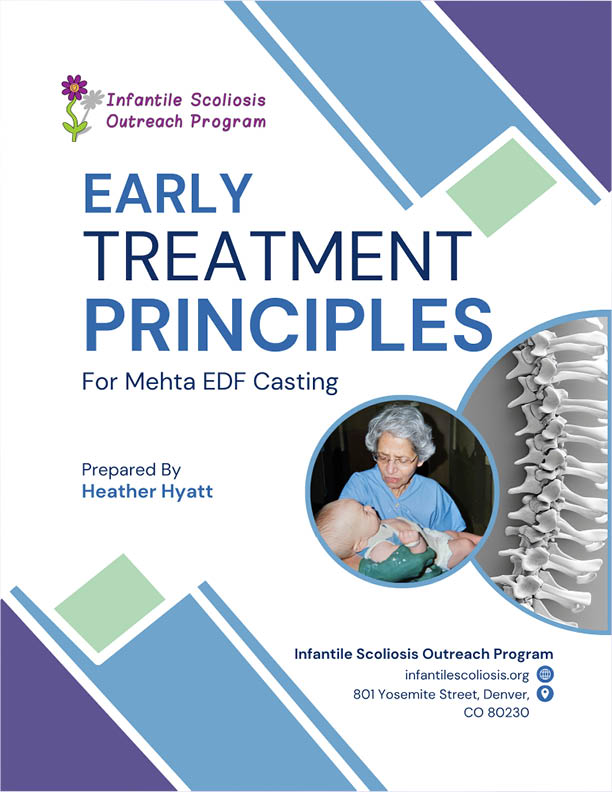
Early Treatment Principles for Mehta/EDF Casting
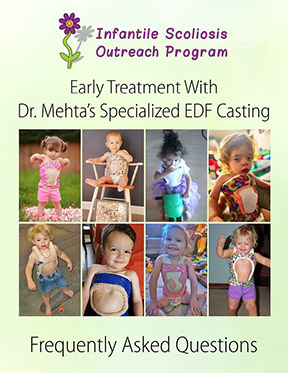
This resource outlines the essential questions to ask your pediatric orthopedic surgeon.
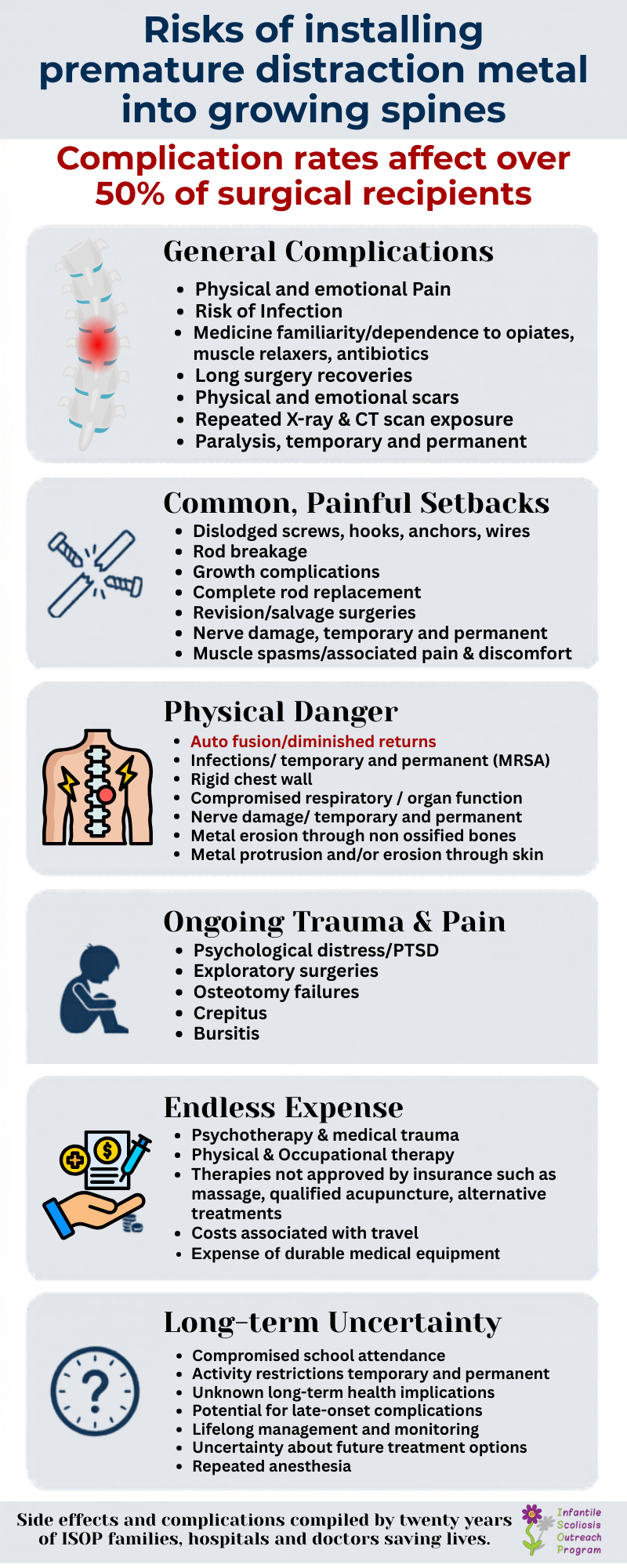
An info-graphic of side effects and complications compiled over twenty years.

ISOP Videos
Heather Hyatt explains how she came to found the Infantile Scoliosis Outreach Program
PSA for ISOP featuring Peter Gallagher
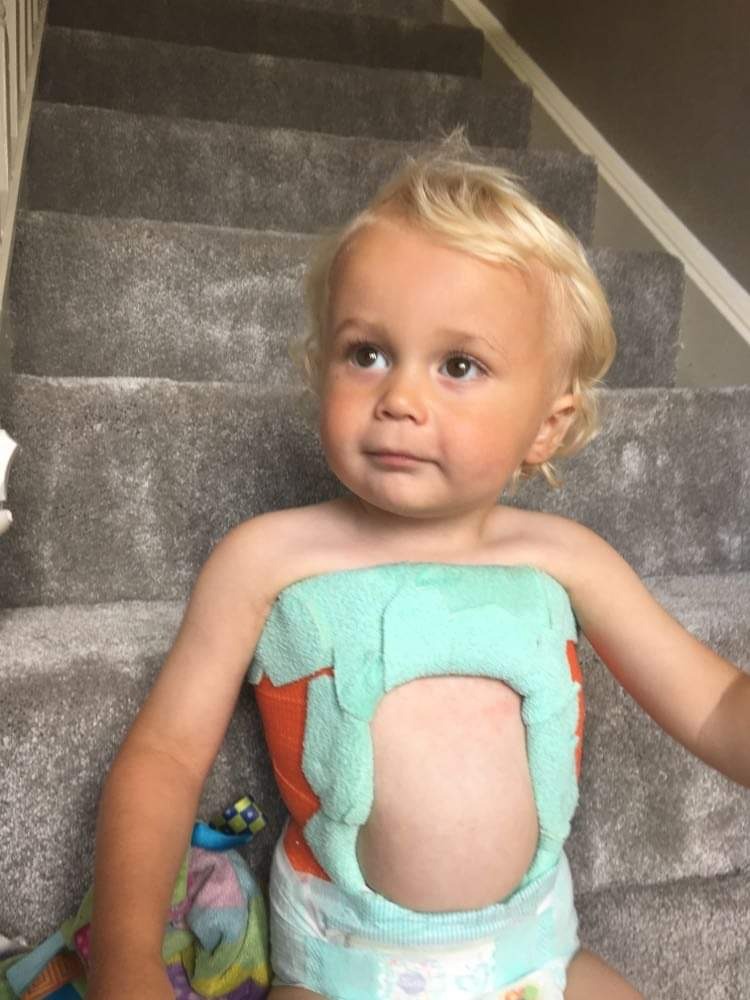
Charlie’s Story
Little Charlie was born full term via normal delivery on July 11th 2015. He is our fourth child and we were all besotted with him.
Soon after Charlie was born I noticed his back was a ‘funny shape’, but I was afraid to say to anyone in case my fears came true. I was so anxious inside.
When Charlie was just 3 months old my husband was feeding him, and while burping him he noticed his back just wasn’t right. He told me his concerns and it was at that moment my fears became reality.
We saw the pediatrician at our local hospital who agreed that Charlie’s back looked ‘off’, and she arranged an X-ray for him. After the X-ray I was brought into the pediatricians office. I could immediately see on her screen that there was a curve in Charlie’s spine. I was absolutely devastated.